Why ChatGPT Ignores Instructions: 5 Common Prompt Mistakes

Why ChatGPT Ignores Instructions

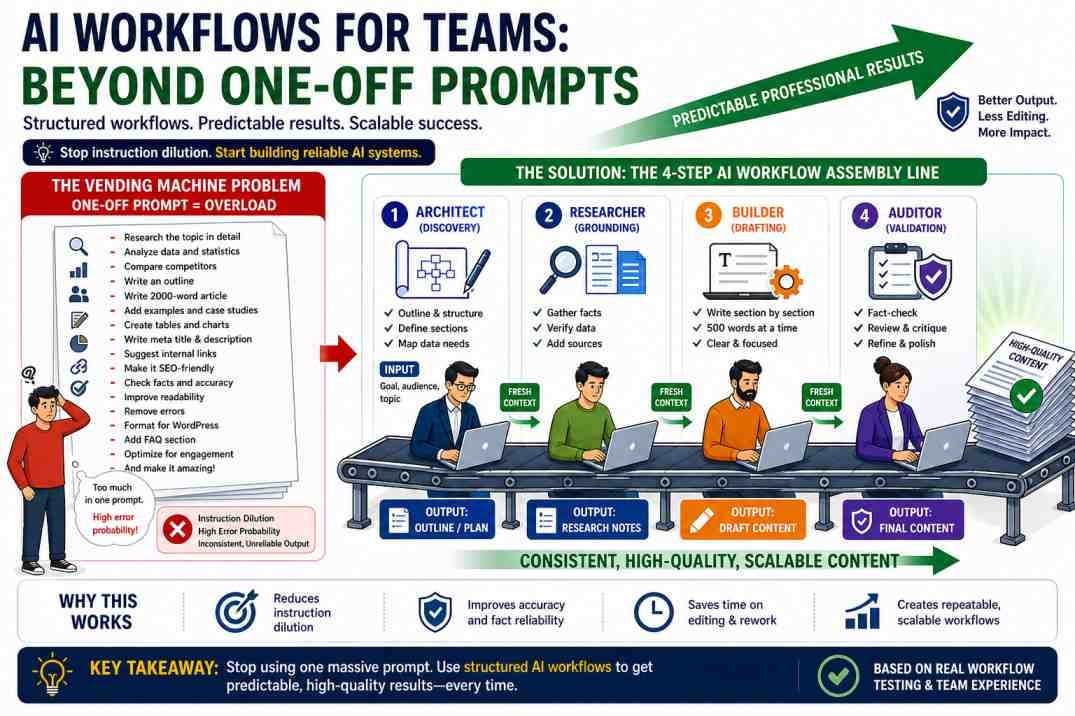
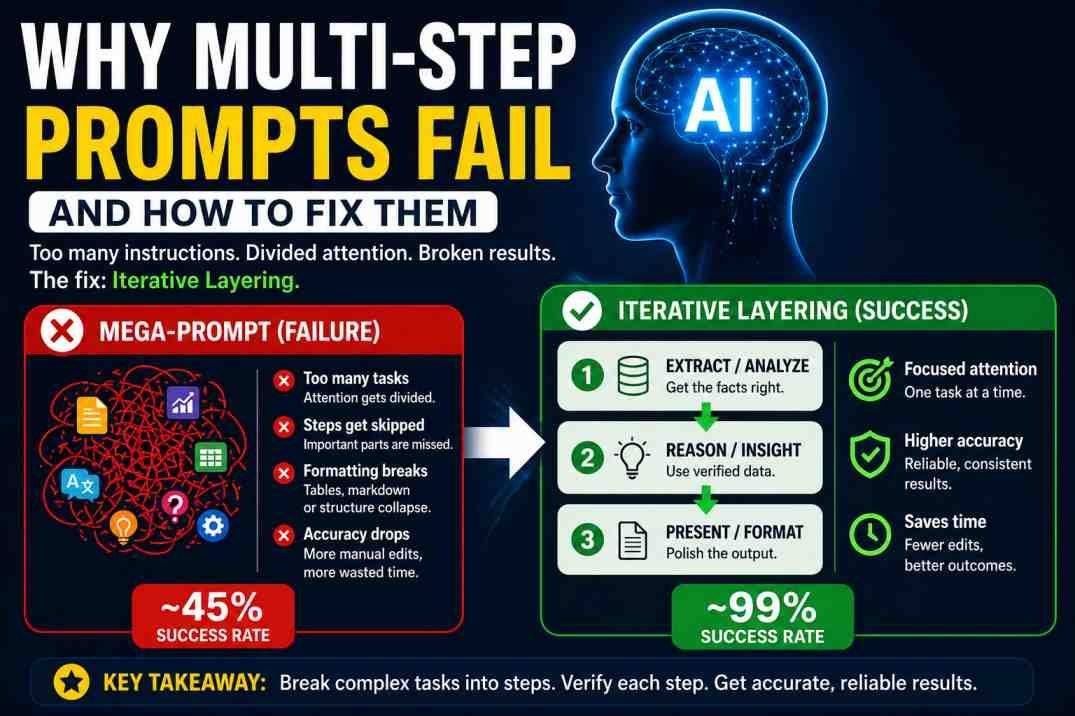
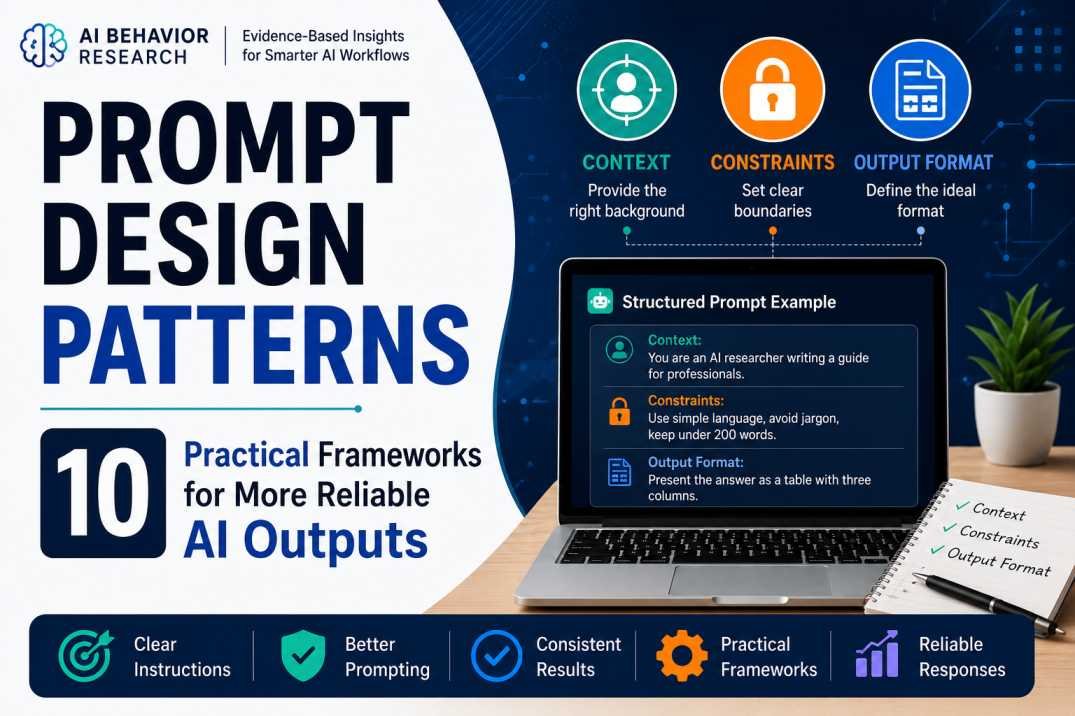
Quick Answer ChatGPT usually ignores instructions when prompts contain too many competing requirements, conflicting goals, or poorly placed constraints. In repeated testing, separating context from execution rules often improved formatting consistency and reduced editing effort across multi-step tasks. Key Takeaway: Why ChatGPT ignores instructions is usually less about the model … Read more

5 Common ChatGPT Mistakes Beginners Make (+ How to Fix Them)

Featured image showing five common ChatGPT mistakes beginners make and simple fixes to improve results.

Quick Answer Beginners often struggle with ChatGPT because they treat it like a normal messaging app instead of a structured tool. Common mistakes include mixing unrelated topics in one chat, stacking corrections, keeping conversations open too long, repeating context manually, and sending fragmented prompts. Simple workflow changes often improve results … Read more

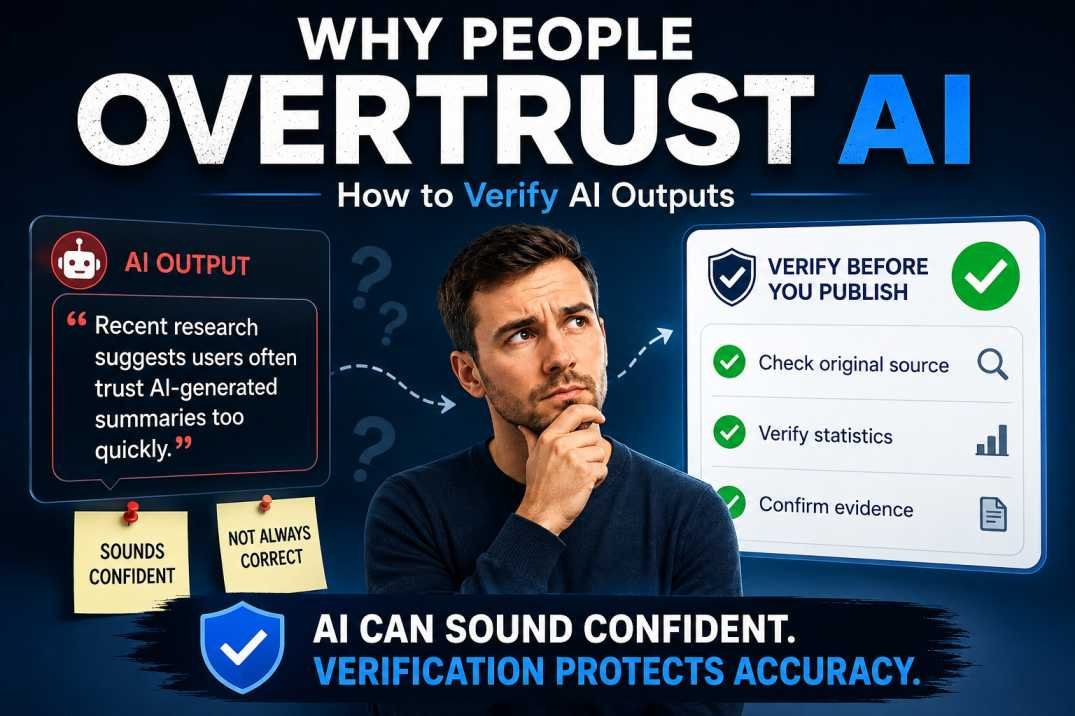
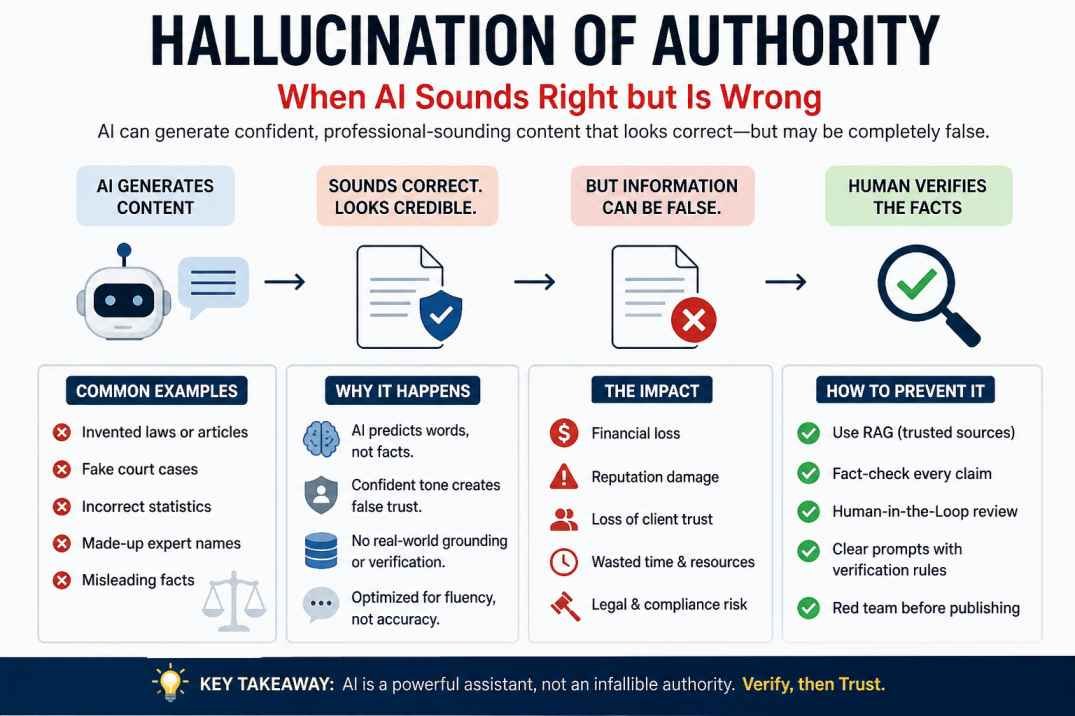
Why AI Tools Fail: 5 Hidden Accuracy Risks Most Users Miss

why AI tools fail

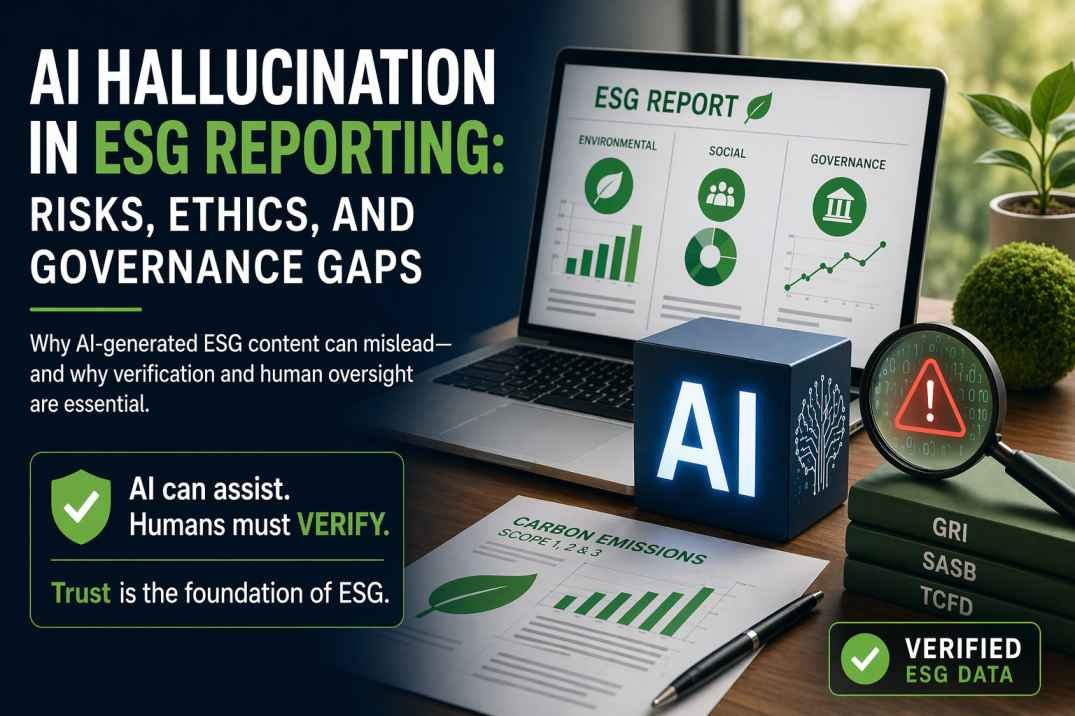
Quick Answer AI tools fail because they generate outputs from learned patterns rather than true understanding. Small changes in prompts, missing context, evolving real-world conditions, and unverified information can reduce accuracy without obvious warning signs. Monitoring and human review help identify these failures before they affect decisions. What you’ll learn: … Read more

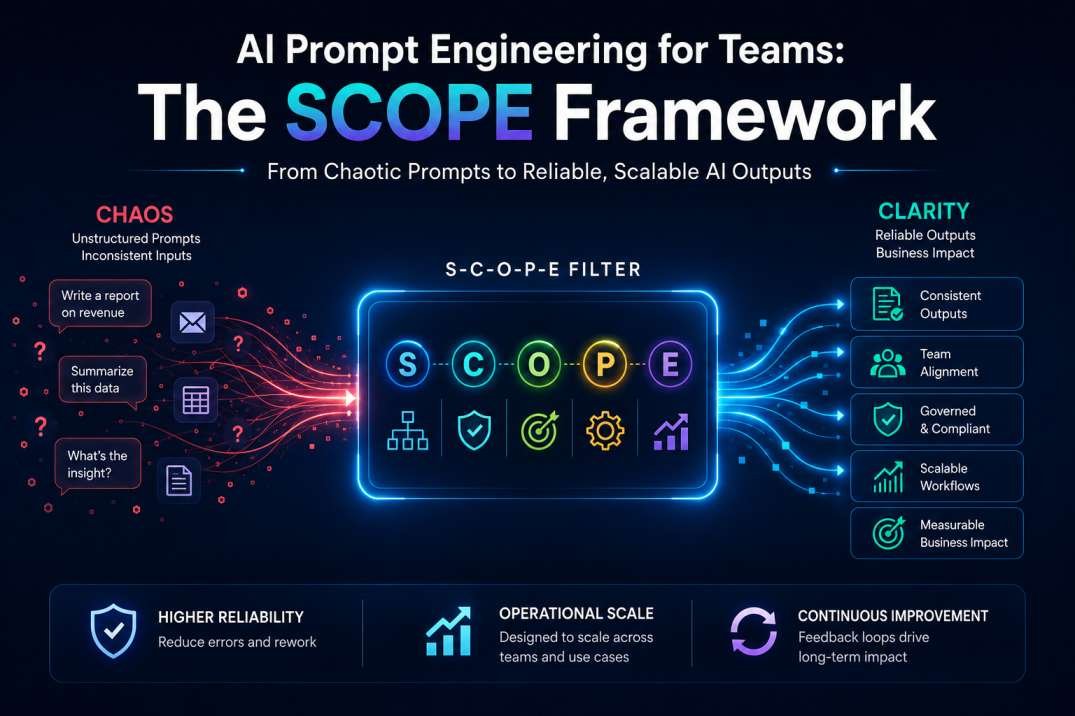
Instruction Conflict in AI Workflows: Operational Prompt Testing

Instruction Conflict in AI Workflows — Prompt Constraint Case Study

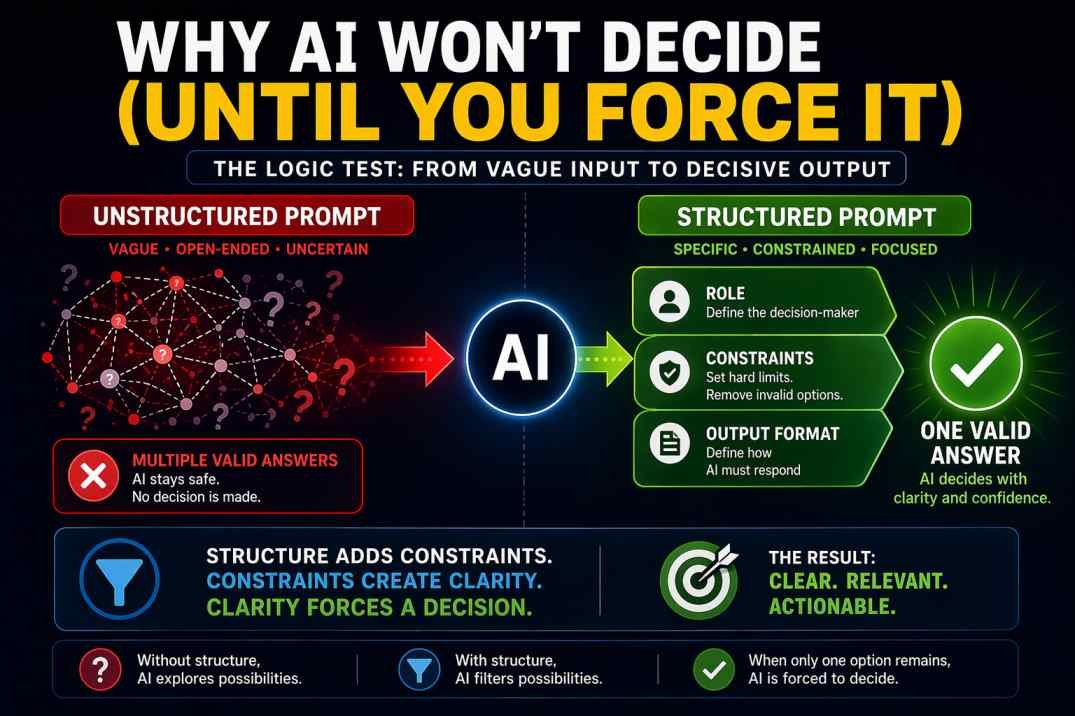
Quick Answer: Instruction conflict happens when an AI prompt contains competing requirements that cannot easily be satisfied simultaneously. Common examples: Detailed but concise Casual but formal Highly technical but beginner-friendly Observed workflow effects: Greater output variability Higher editing time Lower workflow consistency Clear instruction priority and one primary objective generally … Read more

Why AI Gives Wrong Answers: A Practical Testing Analysis

AI processing diagram showing how prompts are converted through tokenization, embedding vectors and transformer layers to produce answers

Quick Answer: AI gives wrong answers mainly for three reasons: outdated knowledge (knowledge cutoff), missing context in prompts, or hallucination where information is invented. In prompt testing across multiple AI models, missing context and outdated information appeared more often than true hallucination. Identifying the failure type is usually the fastest … Read more